Briefly describe the design highlights or unique features of this project:
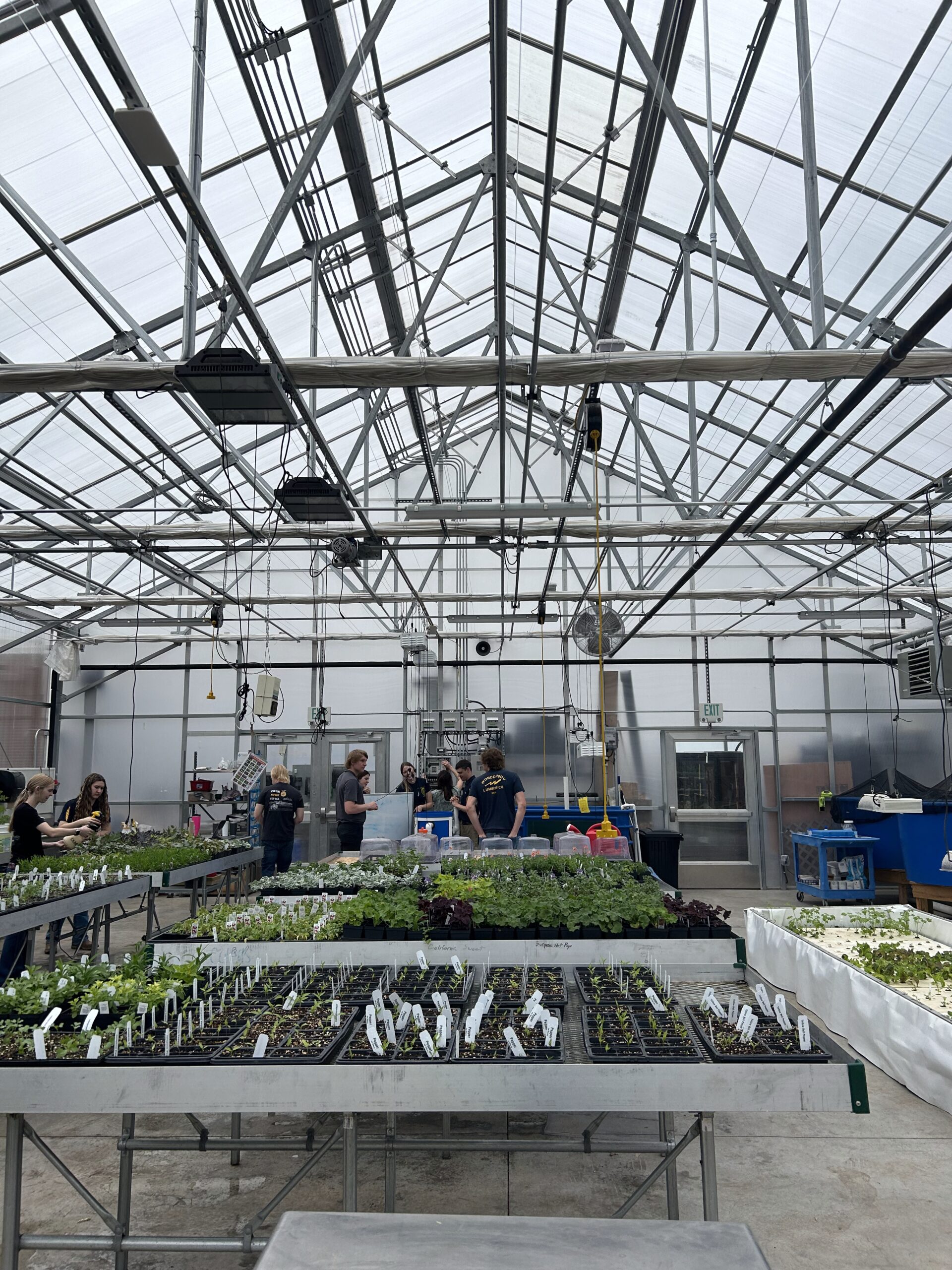
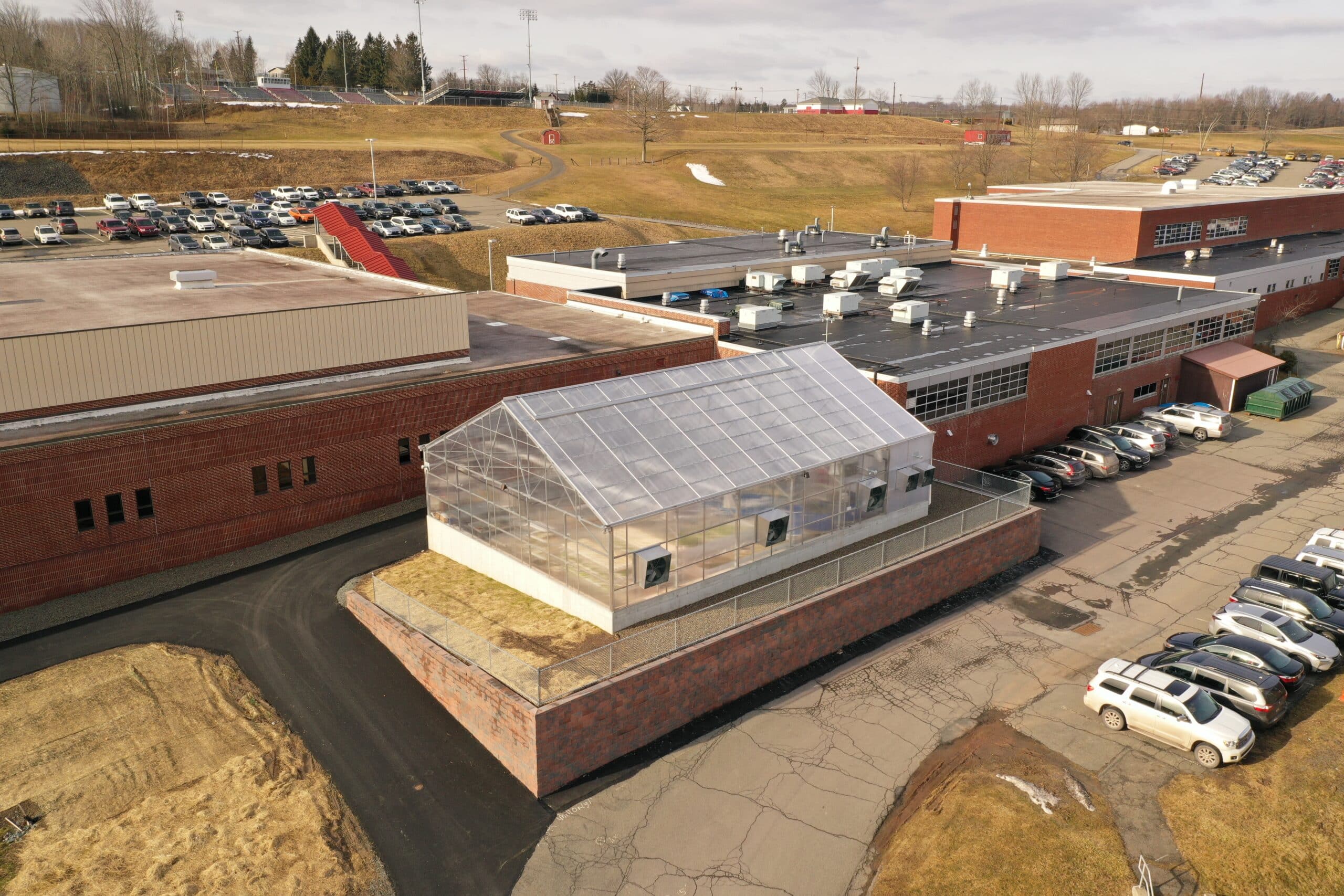
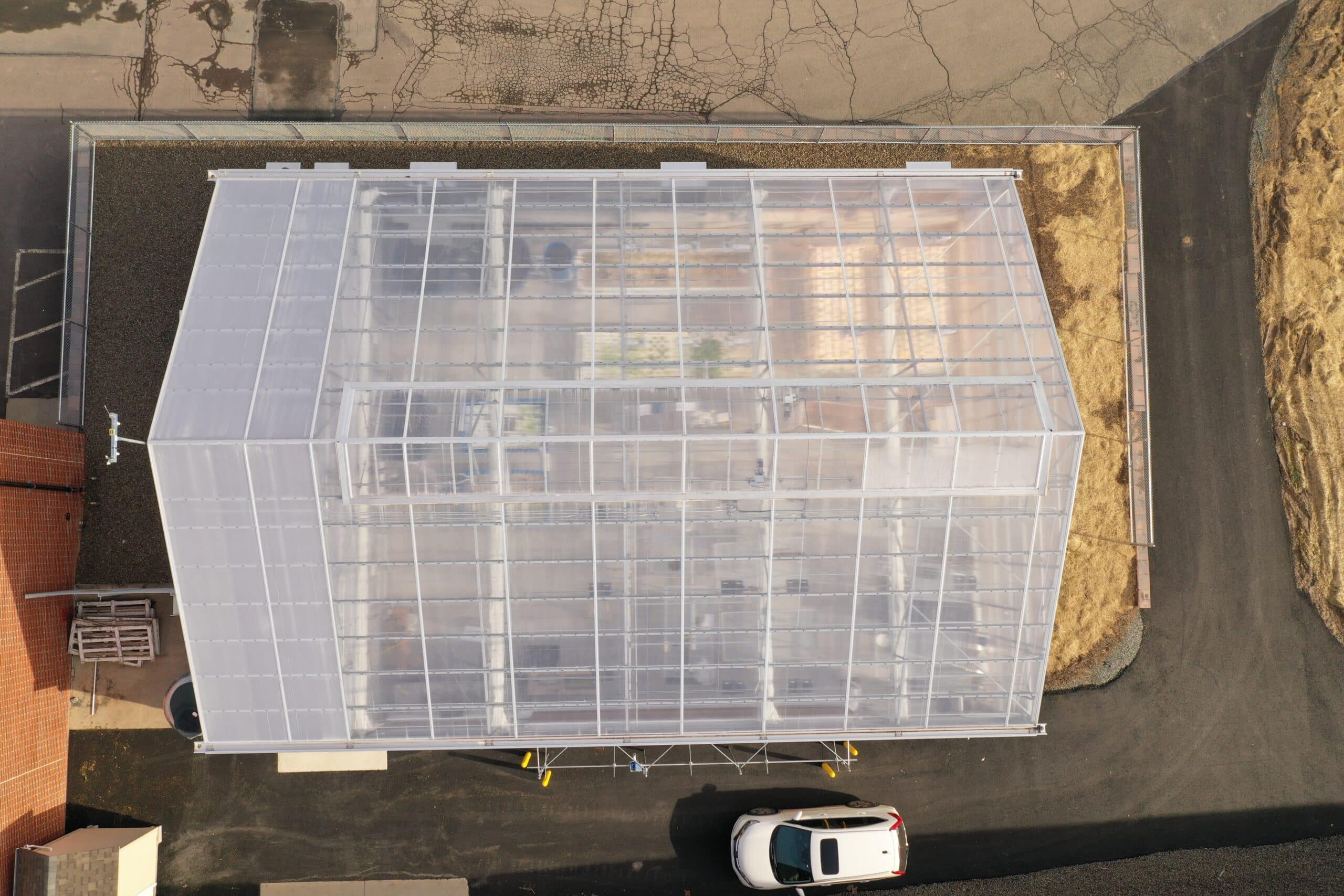
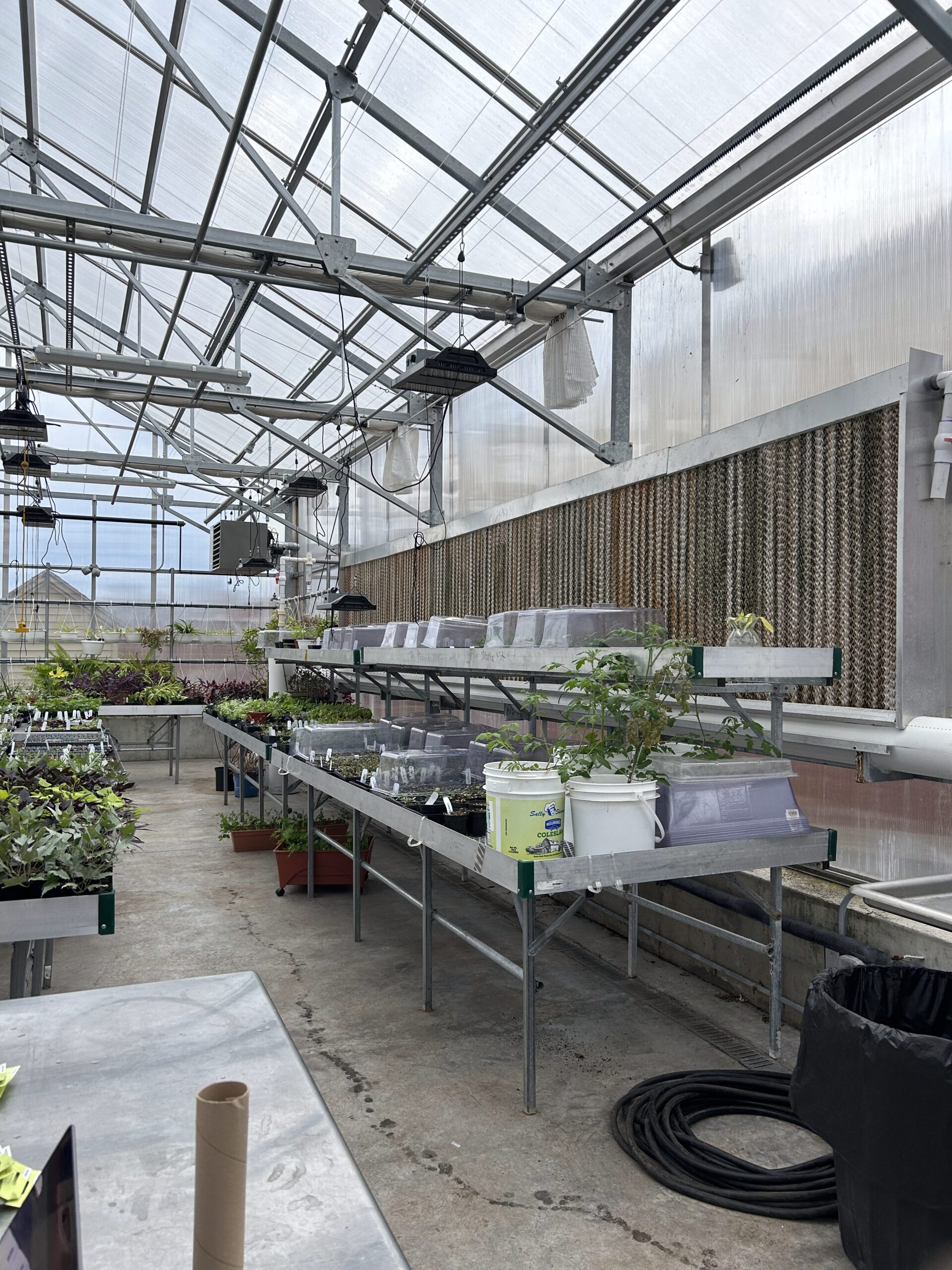
In collaboration with the Wayne Highlands School District (WHSD), JHA Companies designed and constructed a 2,500-square-foot aquaponics greenhouse at Honesdale High School. This project aimed to revitalize agricultural education by providing students with hands-on learning experiences in sustainable farming practices.
What specific challenges did you face during this project, and how did JHA Companies solve them?
The Wayne Highlands School District Educational Greenhouse project presented several unique challenges, all of which were addressed through thoughtful design, coordination, and problem-solving:
Site Selection and Access:
One of the initial challenges was determining the optimal location for the greenhouse on the Honesdale High School campus. The site needed to balance access to sunlight for plant growth, proximity to educational spaces, and accessibility for construction and future maintenance. Additionally, the site required a retaining wall to address elevation differences and provide a stable foundation for the greenhouse structure.
Solution: JHA worked closely with the school district and civil engineers to select a site that met these needs while minimizing the environmental impact. The design incorporated the retaining wall as a key feature, ensuring the building was properly supported without disrupting surrounding areas.
Vendor Coordination and Procurement:
The school district required an open and competitive bidding process for the greenhouse construction, which presented a challenge in ensuring that design specifications aligned with available greenhouse vendors. Without pre-selecting a vendor, JHA needed to ensure that the design could accommodate multiple potential solutions while remaining efficient and within budget.
Solution: JHA provided comprehensive design specifications that allowed for vendor flexibility, ensuring that the greenhouse could be built to high-quality standards regardless of the chosen vendor. This approach fostered transparency and competitiveness during the procurement phase.
Integration of Sustainable Features:
Incorporating sustainable practices into the greenhouse was essential for the educational goals of the project. However, ensuring that the design met these sustainability goals while also fitting within the school’s operational budget was challenging. The project required systems such as rainwater collection for irrigation, which needed to be integrated seamlessly into the design.
Solution: JHA integrated the rainwater collection cistern into the design, creating an efficient, eco-friendly irrigation system that minimized water usage and reduced long-term operational costs. The team also ensured that the greenhouse's structure and systems were designed for energy efficiency, utilizing passive heating and cooling techniques.
Balancing Educational and Functional Needs:
The greenhouse was intended to be both a practical agricultural facility and a space for educational programming. The design needed to accommodate a variety of teaching activities, from hands-on agricultural work to academic lessons, while ensuring that the building could be operated efficiently.
Solution: JHA designed a flexible space that supported both agricultural activities and educational functions. The greenhouse featured dedicated areas for different growing systems, such as aquaponics and soil-based planting, and incorporated ample storage and workspace for educational tools. The design allowed the facility to serve as both a functional agricultural space and a classroom environment.
Community and Impact:
How does this project positively impact or integrate into the local community or region?
“Building a greenhouse that is 2400 square feet was a little bit intimidating at first,” Kayla explains. “But Sierra calmed all those fears. We developed plan after plan and rendition after rendition with different questions and changes, and she was just awesome to work with.”
Were there any significant community or regional considerations (environmental, historical, etc.) addressed during the project?
Environmental Considerations:
The project focused on sustainability and environmental stewardship, integrating green design elements that align with the educational goals of the greenhouse. Key sustainable features include a rainwater collection system, which reduces reliance on municipal water sources and promotes eco-friendly irrigation practices. Additionally, energy-efficient systems were incorporated into the design to minimize operational costs and reduce the building’s overall carbon footprint. These measures reflect the project's commitment to environmental responsibility and provide students with a hands-on example of sustainable practices.
Support for Local Agriculture and Food Systems:
The greenhouse serves as an important resource for the region’s agricultural future. By introducing students to sustainable farming methods such as aquaponics, the project helps foster a new generation of individuals interested in agriculture and local food production. This focus on agriculture also supports the broader regional interest in local, sustainable food systems, which is an increasingly important topic for rural communities seeking to strengthen local economies and reduce reliance on external food sources.
Community Engagement and Educational Impact:
The greenhouse is designed to serve not only as an educational tool for students but also as a space for community involvement. Through workshops, outreach programs, and local partnerships, the greenhouse creates opportunities for community members to engage with the school and learn more about sustainable farming, environmental science, and agriculture. This integration of the school with the broader community enhances local collaboration and strengthens ties between the educational institution and the residents it serves.
Testimonial
“Building a greenhouse that is 2400 square feet was a little bit intimidating at first,” Kayla explains. “But Sierra calmed all those fears. We developed plan after plan and rendition after rendition with different questions and changes, and she was just awesome to work with.”
let's get to work
We're ready to get your project started! Give us a call today to get the ball rolling.